Understanding Public Art Initiatives
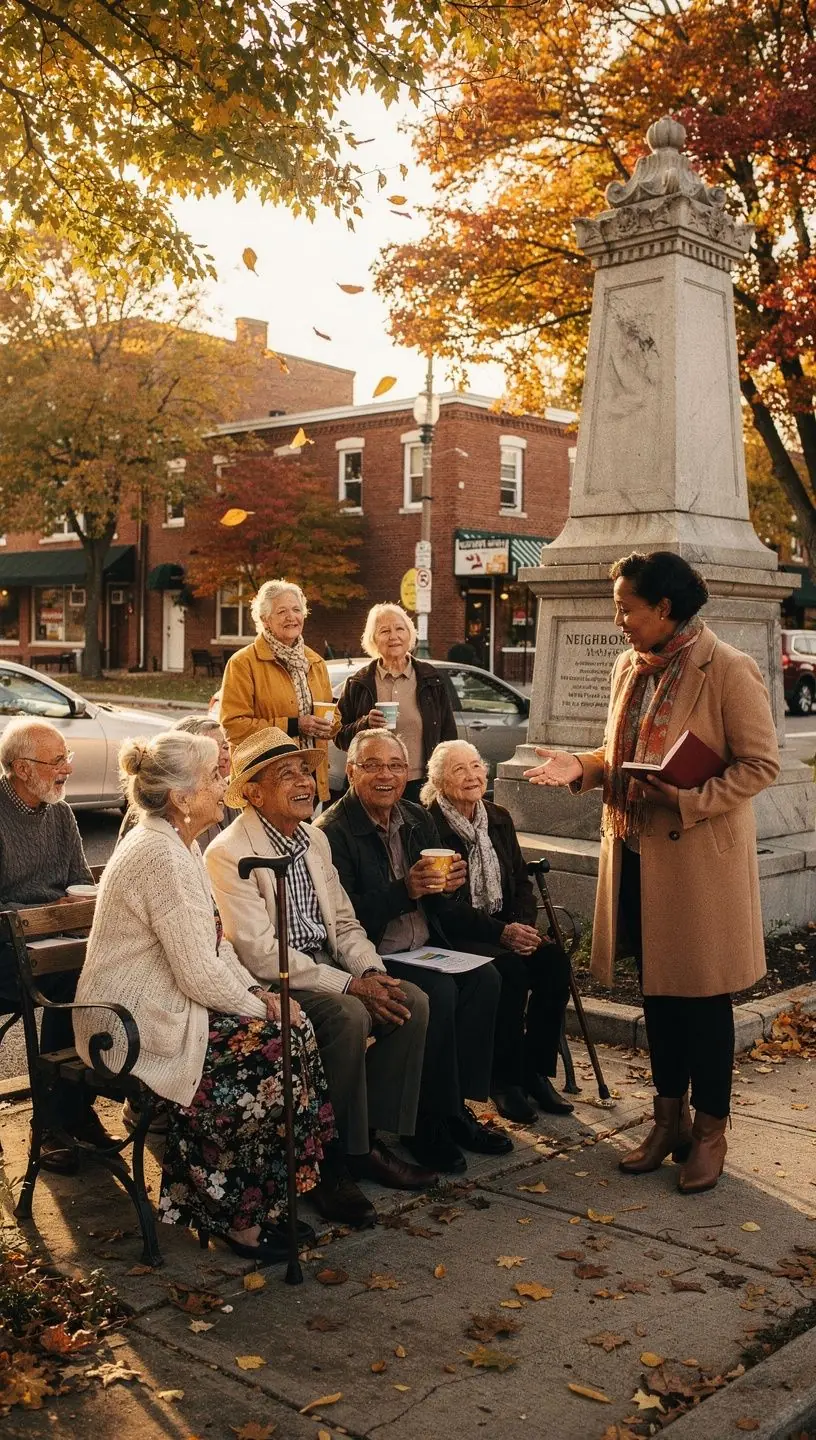
Public art initiatives play a significant role in enhancing community engagement and cultural identity. Understanding their purpose and impact can provide valuable insights for residents and city planners alike.
What Are Public Art Initiatives?
Public art initiatives encompass a variety of artistic projects intended to beautify public spaces and foster community spirit. These projects can include sculptures, murals, and interactive installations that often reflect the local culture. According to studies, public art can significantly boost community pride and involvement, creating spaces where residents feel a sense of belonging.
"Public art is not just about aesthetics; it is a vital part of the urban experience that can engage and inspire communities."
The Importance of Community Involvement
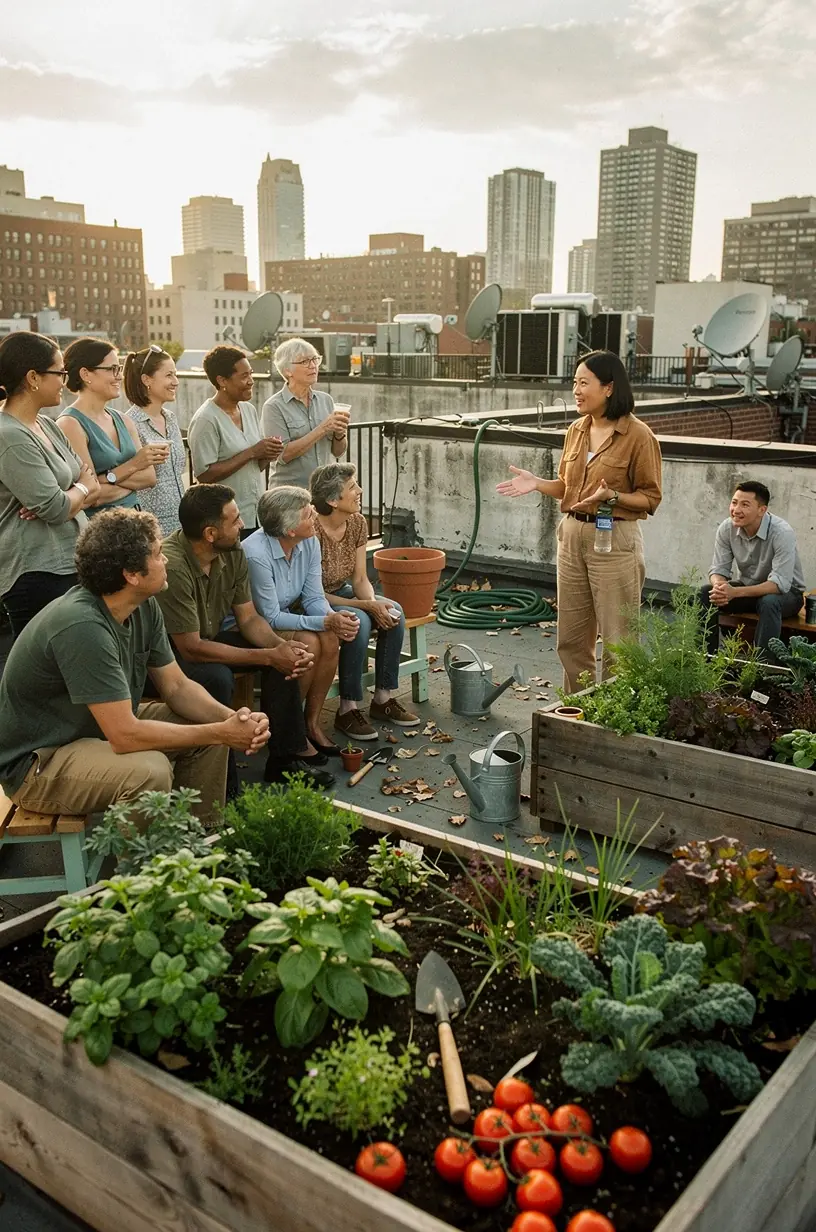
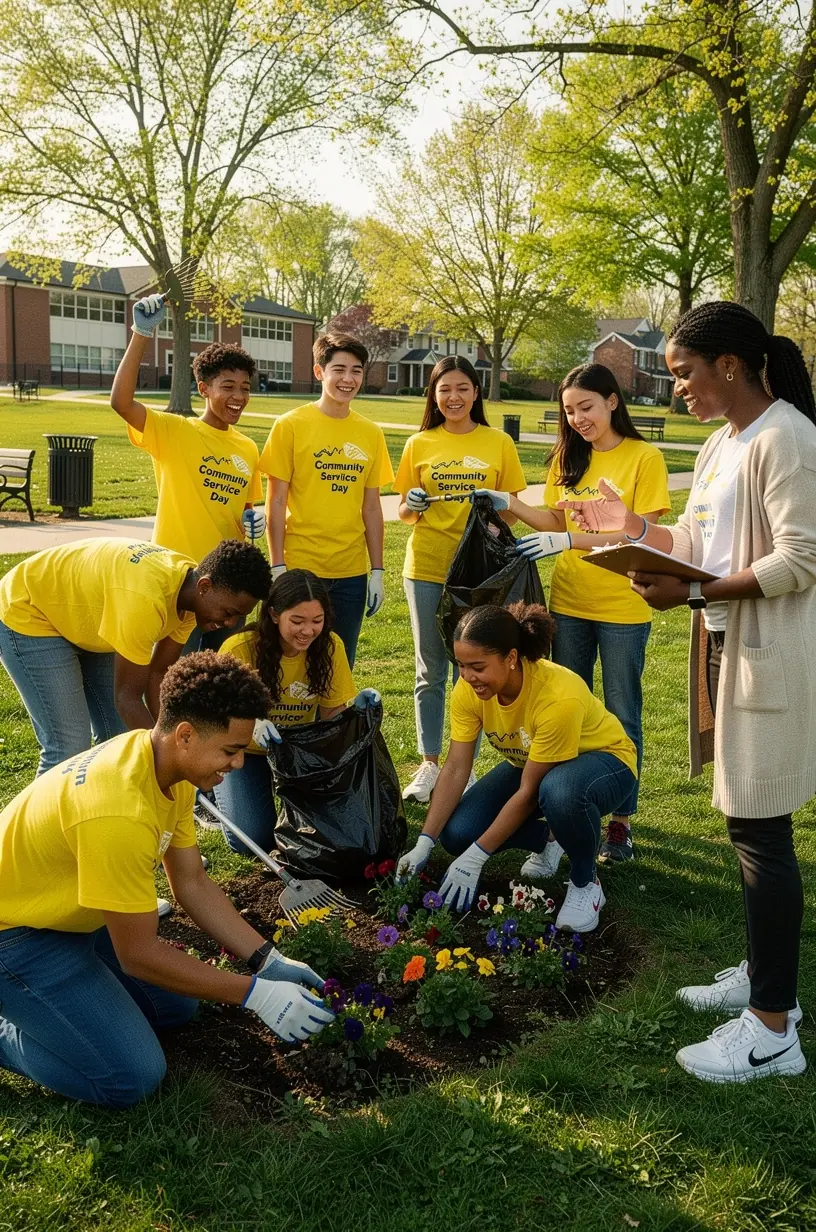
Engagement from the community is crucial for the success of public art initiatives. Research indicates that when community members participate in the planning and execution phases, the projects are more likely to resonate with local values and traditions. Here are a few reasons why community involvement is essential:
- Local Insights: Residents can provide valuable information about what themes and designs reflect their neighborhood's identity.
- Increased Participation: Projects that involve the community typically see higher attendance and interaction rates.
- Empowerment: Allowing residents to contribute can enhance their connection to the space, promoting stewardship and respect for public art.
Challenges and Considerations
While public art initiatives can have a positive impact, they also come with unique challenges. It's important to acknowledge these factors to ensure sustainable projects:
- Funding: Securing financial support is often one of the biggest hurdles. Many artists and organizations recommend exploring grants and partnerships with local businesses.
- Maintenance: Public art requires upkeep. Cities typically need to establish plans for maintenance to ensure longevity and care for the artwork.
- Community Resistance: Not all residents may appreciate or support public art projects. Engaging in open dialogues can help address concerns and gather diverse viewpoints.
Successful Examples Across the US
Many cities in the United States have successfully implemented public art initiatives that serve as models for others. For instance, New York City’s Percent for Art program allocates a portion of city construction budgets to artists for public works, leading to a diverse array of artworks throughout the city. Similarly, Philadelphia's Mural Arts Program has produced over 4,000 murals, significantly enhancing neighborhoods and attracting tourism.
Conclusion
Understanding public art initiatives is essential for fostering vibrant communities. By recognizing the value of these projects and the importance of community involvement, residents can play an active role in shaping their public spaces. While challenges exist, informed and concerted efforts can lead to transformative outcomes that enhance cultural identity and community pride.