Exploring Sustainable Practices in Communities
As communities across the United States increasingly embrace sustainability, understanding the various practices that contribute to this shift is essential. This article delves into sustainable practices that can enhance community well-being and environmental health, backed by research and expert recommendations.
Understanding Sustainable Practices
Sustainable practices are actions and strategies aimed at reducing environmental impact while promoting social equity and economic viability. According to a report by the United Nations, sustainable development is crucial for addressing global challenges such as climate change, resource depletion, and social inequality. Communities that adopt these practices often see improvements in quality of life and local ecosystems.
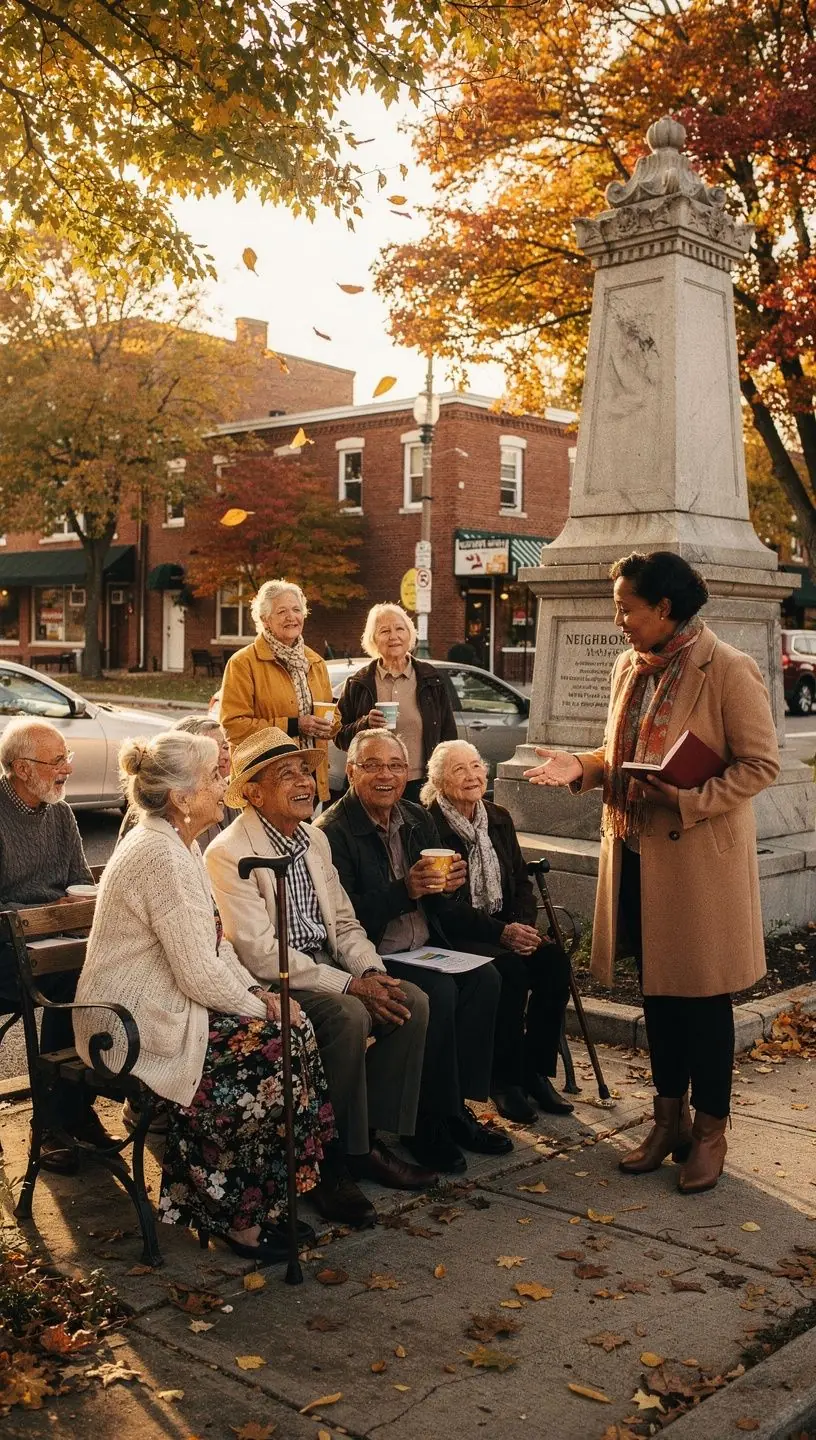
"Communities that prioritize sustainability not only protect the environment but also boost local economies and enhance social cohesion." - Research from the National Renewable Energy Laboratory
Key Sustainable Practices in Urban Areas
- Waste Reduction and Recycling: Many cities have implemented successful recycling programs that can increase waste diversion rates by as much as 30%, which is in line with waste management best practices endorsed by the Environmental Protection Agency (EPA).
- Green Infrastructure: Incorporating features like rain gardens and green roofs can help manage stormwater, reduce urban heat, and improve air quality. Studies indicate that green roofs can reduce energy consumption by up to 20% in urban buildings.
- Community Gardens: These spaces not only provide local food sources but also promote community engagement. According to experts, community gardens can cultivate social ties and enhance mental well-being.
Rural and Suburban Initiatives
In less densely populated areas, sustainable practices can take different forms. For instance:
- Local Agriculture: Supporting local farmers through farmers' markets is an effective way to promote sustainable food systems. Research shows that buying local can reduce carbon footprints associated with food transportation.
- Conservation Efforts: Many rural communities engage in land conservation initiatives that protect natural habitats. These efforts often align with ecological best practices that can take 5-10 years to yield ecological benefits.
- Renewable Energy Adoption: Increasing the use of solar and wind energy in rural areas can significantly lower energy costs. Research indicates that communities utilizing renewable sources typically experience reduced energy expenses over time.
Challenges and Considerations
While the benefits of these practices are substantial, implementing them often involves challenges. For example, transitioning to sustainability can require significant investment and community buy-in, which might take several years. Additionally, not all practices are suitable for every community; local conditions and resources must be considered to determine what works best.
Conclusion
As communities strive to become more sustainable, understanding and adopting effective practices is key. By prioritizing education and engagement, residents can foster environments that promote both ecological health and social well-being. Implementing these practices may take time and effort, but the long-term benefits for communities and the planet can be profound.