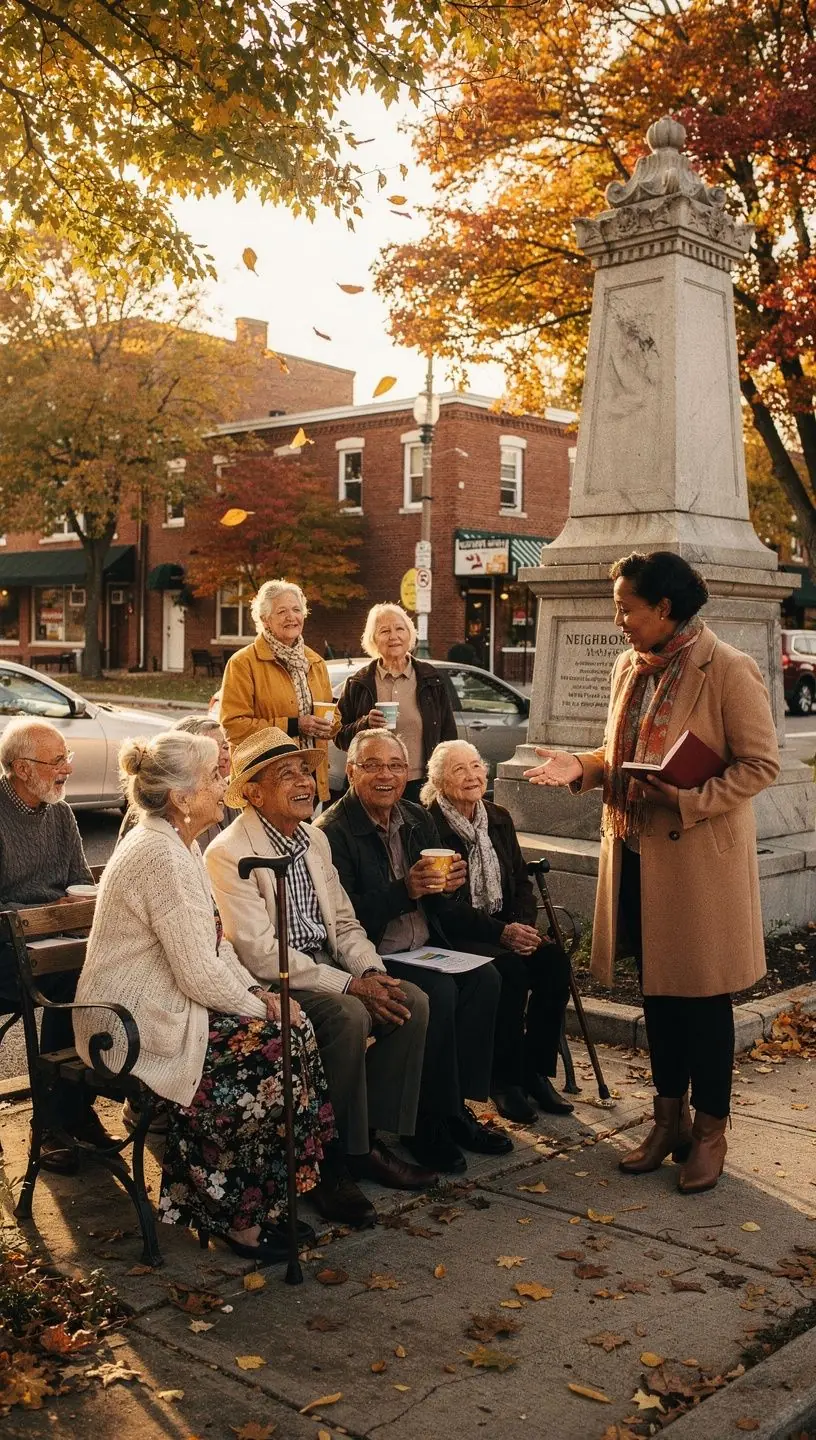
Identifying Neighborhood Historical Landmarks
Understanding the significance of historical landmarks in a neighborhood can enhance community pride and foster a deeper appreciation for local heritage. This article explores how to identify these landmarks and their potential impact on the community.
Understanding Historical Landmarks
Historical landmarks are structures or sites recognized for their cultural, architectural, or historical significance. According to the National Park Service, these locations often reflect the unique history of a region and can serve as valuable educational resources. Identifying these sites can help residents and visitors alike appreciate the richness of local history.

"Preserving historical landmarks not only honors the past but also enriches the community's identity and cohesion."
How to Identify Local Historical Landmarks
Identifying historical landmarks involves a blend of research, community engagement, and exploration. Here are several effective strategies:
- Research Public Records: Start by consulting local historical societies or libraries that often hold records about significant buildings and sites. Many municipalities maintain lists of recognized landmarks.
- Engage with the Community: Talking to long-time residents can provide insights into less-known historical sites. Oral histories can uncover significant stories related to local landmarks.
- Participate in Local Tours: Many towns offer guided tours that highlight historical landmarks. These tours are typically led by knowledgeable guides who can explain the significance of various sites.
The Importance of Historical Landmarks
Historical landmarks serve multiple purposes within a community. Research indicates that these sites can:
- Enhance Community Engagement: Landmarks often act as focal points for community activities and events, fostering a sense of belonging among residents.
- Boost Local Economy: Tourism related to historical sites can contribute to the local economy, as visitors often spend on services such as dining and shopping.
- Promote Education and Awareness: These landmarks can serve as teaching tools, allowing schools and community organizations to conduct programs that educate the public about local history.
Conclusion
Identifying historical landmarks in your neighborhood can lead to a greater appreciation of local culture and history. By researching, engaging with the community, and participating in local events, residents can play an active role in preserving and honoring their neighborhood's heritage. This process not only enriches individual lives but also strengthens the community as a whole.