Exploring Local Health and Wellness Programs
In recent years, community health initiatives have gained traction across the United States, emphasizing the importance of health and wellness. Understanding and participating in these programs can provide valuable resources for individuals seeking to enhance their well-being.
Understanding the Importance of Local Health Programs
Local health and wellness programs typically focus on improving community health through preventive measures, education, and access to resources. According to research, communities with active health programs often experience better overall health outcomes. These initiatives can be particularly effective in addressing issues such as obesity, chronic diseases, and mental health challenges.

"Communities that invest in health programs often see a significant reduction in healthcare costs and improved quality of life among residents." - Health Policy Expert
Types of Health and Wellness Programs
There are several types of health and wellness programs available in communities, each serving unique purposes:
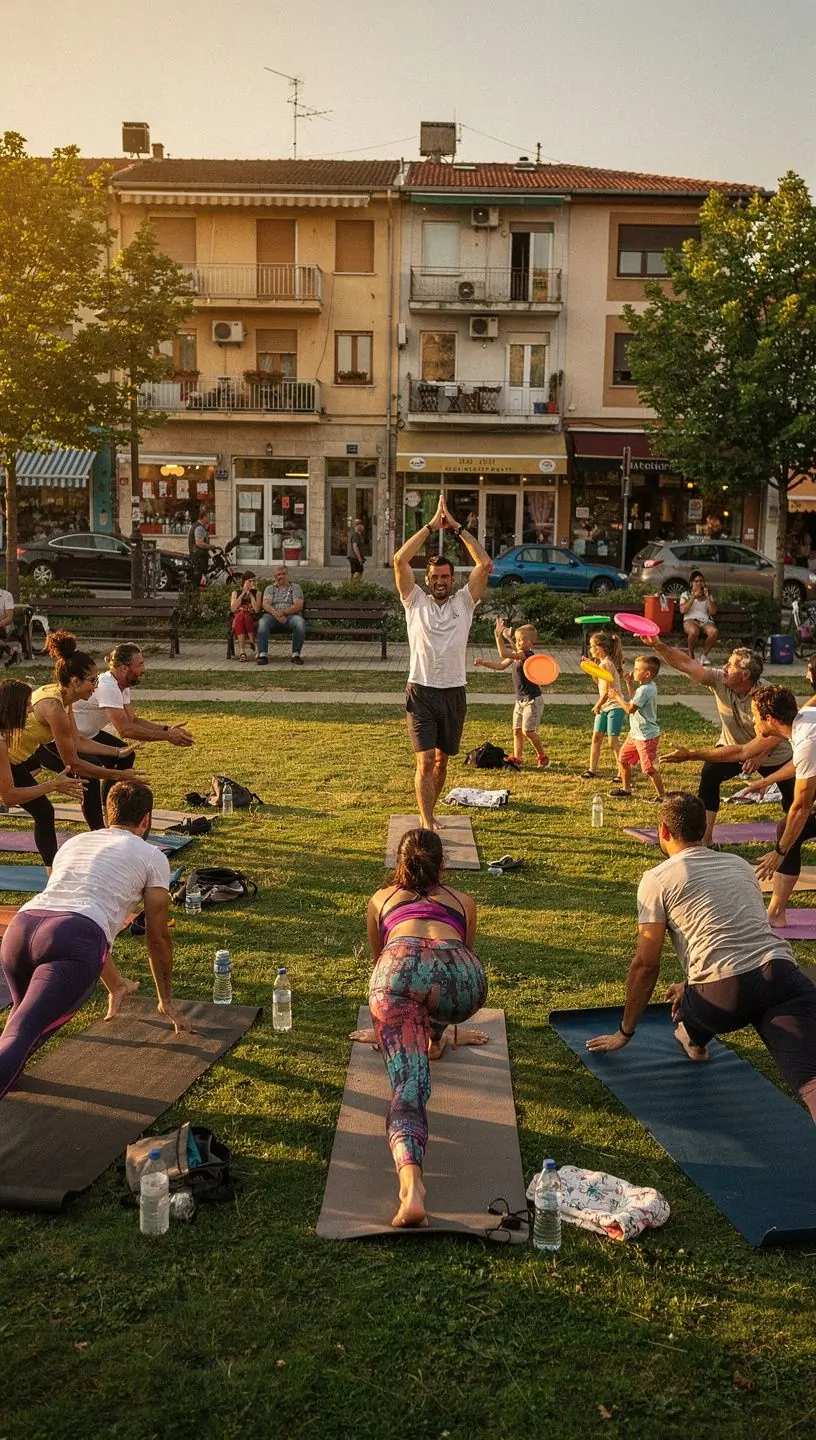
- Fitness Initiatives: Many localities offer free or low-cost fitness classes in parks or community centers, promoting physical activity among residents. Studies show that engaging in regular exercise can reduce the risk of chronic diseases.
- Nutritional Education: Programs focusing on nutrition often provide workshops on healthy eating and meal preparation. Experts recommend that individuals learn about balanced diets to improve their overall health.
- Mental Health Support: With rising awareness of mental health issues, many communities now provide resources such as counseling services, support groups, and awareness campaigns.
Benefits of Participating in Local Programs
Engaging with local health initiatives can yield several benefits:
- Improved Community Engagement: Participation fosters a sense of community and belonging, which is crucial for mental well-being.
- Access to Resources: Many programs offer resources that may not be available through traditional healthcare systems, such as alternative therapies or lifestyle coaching.
- Enhanced Knowledge: Educational components of these programs equip individuals with information to make informed health choices, such as understanding the importance of preventive care.
How to Get Involved
While many health programs are freely available, involvement often requires some commitment. Here’s how individuals can get started:
- Research Local Offerings: Investigate community centers, health departments, or online platforms for available programs.
- Attend Informational Sessions: Many programs host introductory meetings or seminars where potential participants can learn more about what is offered.
- Commit to Regular Participation: Successful outcomes typically require consistent engagement; individuals should set realistic expectations regarding their involvement.
Conclusion
Local health and wellness programs present an effective approach to improving community health. By participating, individuals not only enhance their own well-being but also contribute to a healthier environment for everyone. While some level of commitment is necessary, the benefits often outweigh the effort, leading to a more vibrant, health-conscious community.
Discover More