Practical Tips for Community Engagement
Engaging with your community can lead to stronger relationships, enhanced understanding of local issues, and improved quality of life. This article offers practical tips to foster community involvement effectively.
Understanding the Importance of Community Engagement
Community engagement is a vital part of fostering a cohesive and vibrant neighborhood. According to research conducted by the National Civic League, neighborhoods with higher engagement levels often report improved public safety and satisfaction among residents. This connection not only enhances social bonds but also encourages participation in local decision-making processes.
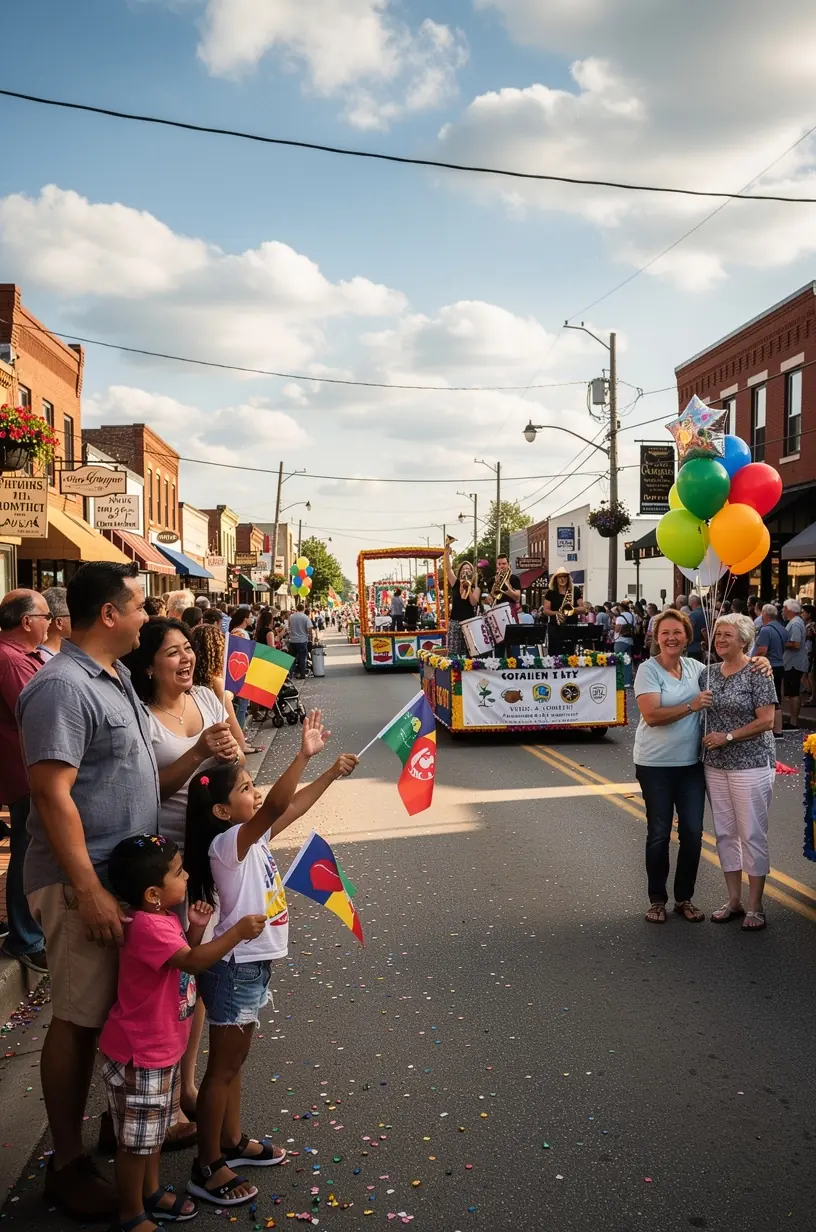
"Active community participation is a cornerstone for creating resilient neighborhoods."
Practical Steps to Enhance Community Engagement
1. Attend Local Meetings
Participating in local government or community organization meetings is a reliable way to stay informed and voice your opinions. Many residents report that regular attendance helps them understand critical issues and foster relationships with local leaders. It's often beneficial to prepare questions or topics you wish to discuss beforehand, ensuring you make the most of your time.
2. Volunteer for Local Events
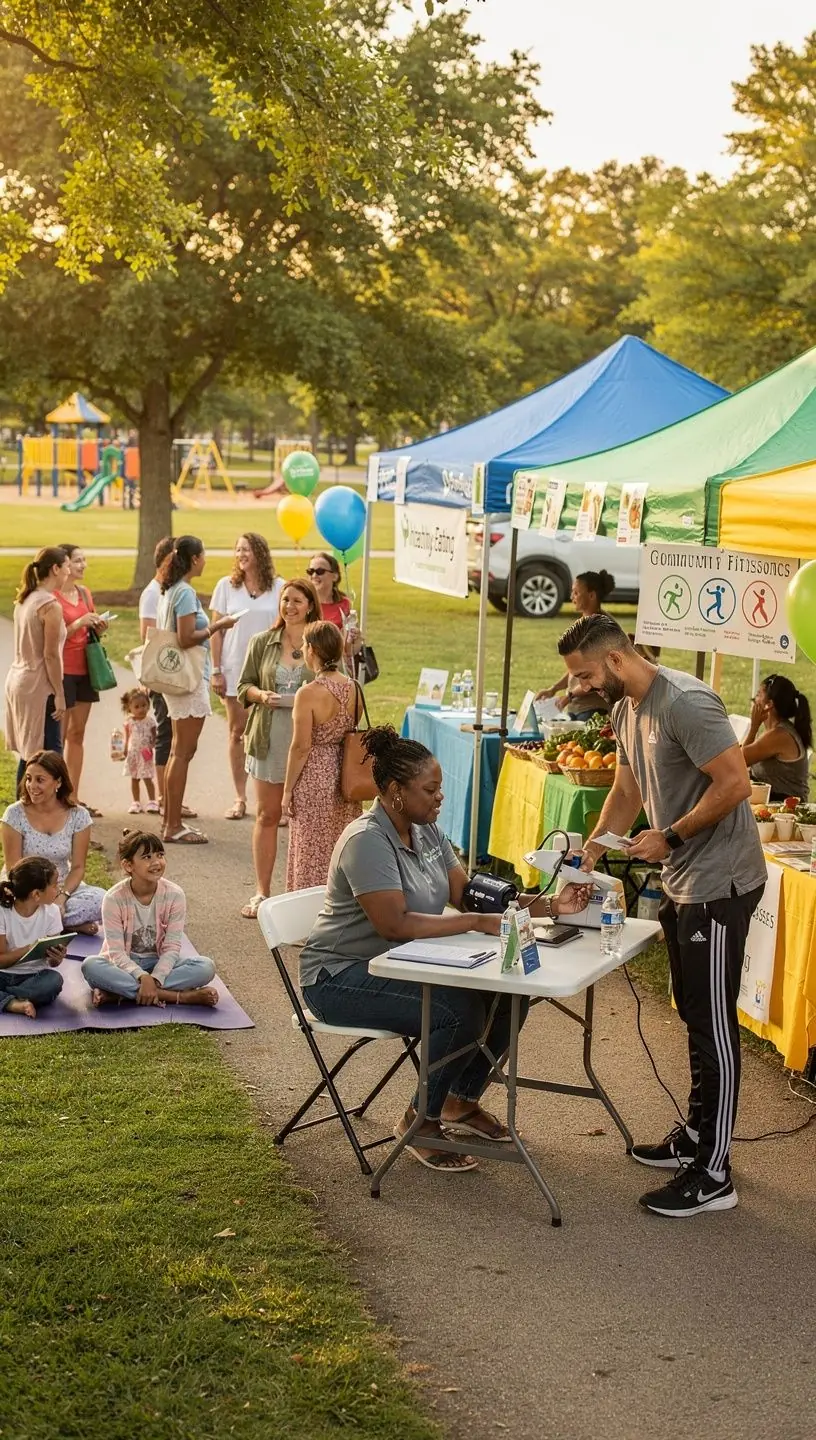
Volunteering is not only an opportunity to give back but also a practical way to connect with other community members. Whether it's a neighborhood cleanup or a local charity event, volunteering typically takes a few hours and can significantly impact your local area. Engaging in such activities allows you to meet new people and deepen your ties to your neighborhood.
3. Create or Join Community Groups
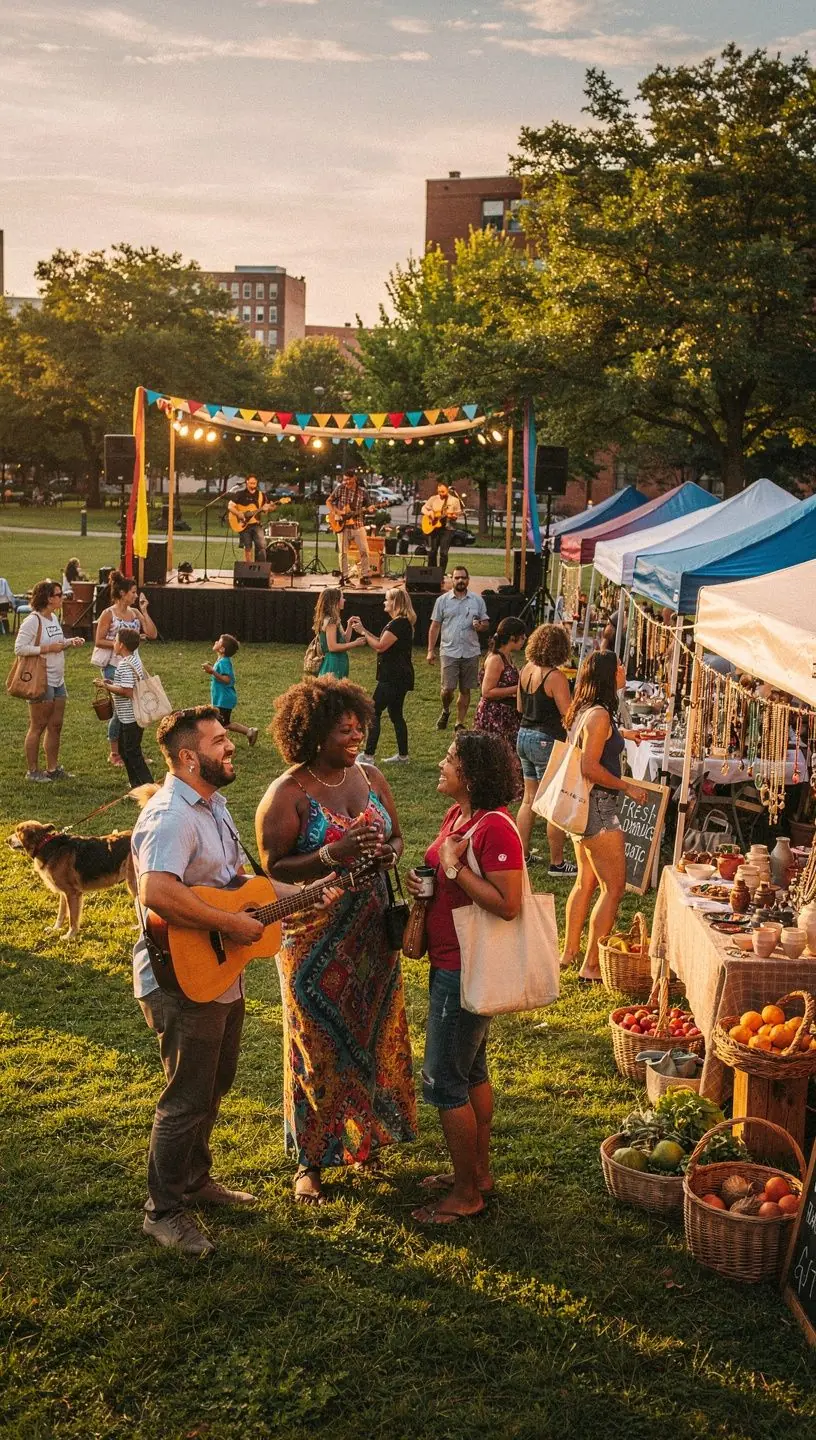
Joining or forming community groups focused on specific interests or issues can enhance engagement. These groups often facilitate discussions around local challenges and organize collective efforts to address them. Research indicates that people involved in groups typically feel a greater sense of belonging and empowerment, which can lead to more active participation.
Utilizing Digital Platforms
In today's digital age, utilizing social media platforms can also encourage community interaction. Many neighborhoods have Facebook groups or Nextdoor communities that serve as forums for discussion, sharing news, and organizing events. A study by the Pew Research Center shows that nearly 70% of adults engage with their communities online, highlighting the effectiveness of digital spaces in fostering relationships.
Conclusion
Community engagement is an ongoing process that requires commitment and effort. By attending local meetings, volunteering, and utilizing digital platforms, individuals can foster a more connected community. Remember that while these activities may require time and dedication, the benefits of a vibrant, engaged neighborhood are well worth the effort. Embrace the opportunity to make a positive impact in your community today.